NCPO is fundraising. See how to help.
Cross icon
Scientific evidence and payer access for personalized cancer treatments.
NCPO provides the scientific basis to personalize the use of all FDA-approved cancer drugs and handles their coverage.
Evidence report ready
Candidate FDA-approved cancer drugs, ranked by the functional test. Medical necessity draft attached.
WHY THIS MATTERS


Oncology needs innovation today.

Genomics is missing 60% of cancer patients and shows low response rate
Gleevec was approved in 2001. Twenty five years later, genomic treatment is still delivered largely by academic medical centers and large urban hospitals, where roughly 40% of cancer patients are treated.

The 74 NCI-designated cancer centers, the core of that system, register about one in five newly diagnosed patients. The other 60% are treated mostly at community hospitals, which have no reward for adopting a complex new technology and no penalty for ignoring it.

In NCI-MATCH, objective response rates in the subprotocols that met their primary endpoint ranged from 14% to 50%, and some arms reported no responses at all.
Sources: Genomics response rate from (NCI-MATCH).J Clin Oncol. 2020. 74 NCI-designated cancer centers, National Cancer Institute. One-in-five share derived from 411,862 patients newly registered at NCI-designated clinical and comprehensive cancer centers in the most recent reporting period, against 2,114,850 projected new US cases in 2026 - Cancer Facts & Figures 2026, American Cancer Society.
90% of FDA-approved cancer drugs are never tried on most cancers.
Treatment guidelines list roughly 10% of the 300+ FDA-approved cancer drugs for any given cancer. The other 90% are approved by the FDA, but for other cancers.
10%
On Guideline
90%
Off Guideline

Exclusion from the guidelines for a specific cancer doesn't indicate a drug's ineffectiveness. It simply means it hasn't been clinically tested for that particular cancer.

Functional Precision Medicine addresses this critical access issue by allowing oncologists to test any FDA-approved cancer drug on a patient's living cancer cells.
Sources: drug count - FDA; treatment guidelines - NCCN.
THE INNOVATION
Cancer drugs can now be tested against the patient's own live cancer cells.
This method is particularly beneficial for advanced cancer patients who have exhausted standard treatments. Functional tests can still identify effective therapies among over 300 FDA-approved cancer drugs.
Biopsy
Take the patient's living cancer cells.
Expose
Put approved cancer drugs on the individual's cells.
Measure
Observe which cancer drugs kill the cells.
Rank
Prioritize cancer drugs by what worked.
Treat
The oncologist composes a treatment or combination of treatments.
Repeat
When the cancer changes, run the test again.

Functional Precision Medicine works at any point in treatment, from the last line to the first. Every time a cancer changes, a new test can identify the next cancer drugs.
THE CHALLENGES
Three barriers stand between your patient and the right treatment.
Scientific evidence
FPM assays change constantly, and interpreting a result takes expertise no community practice keeps on staff. Without a clinical trial behind it, an off-guideline drug needs a clear scientific basis.
Hospital workflows
Standard pathology fixes the specimen in formalin within minutes of the biopsy, which kills the cells. Routing viable tissue to the right laboratory means deciding before the biopsy, coordinating with pathology, and shipping on a clock.
Financial access
Neither the test nor the off-guideline drug is covered by default. Without a scientific basis there is nothing to negotiate with the payer, and no time to find a manufacturer compassionate-use program when payment is denied.
NCPO REMOVES THOSE BARRIERS

NCPO does the research and access work. You select and prescribe. Your patient stays with you.

NCPO provides access to Functional Precision Medicine (FPM), which complements genomics. FPM-based tests expose the patient's living cancer cells to the drugs themselves.
Scientific evidence
NCPO provides a PhD-level staff with expertise in genomic and functional treatment selection tests, including functional precision medicine assays. This involves matching your patient to the right test and providing expert-reviewed evidence reports on potential off-guideline drugs.
NCPO
Scientific Team
To: Dr. A. Chen
The evidence report for your patient is attached: candidate FDA-approved cancer drugs, ranked by the result of the living-cell test. The medical-necessity draft is ready for your signature.
N26709 evidence report.pdf
N26709 medical_necessity.pdf
Hospital workflows
Each test requires specific details: the type of sample, the volume needed, and the viability window. NCPO guides your pathology department to ensure viable tissue is sent to the correct laboratory, including alternative cell sources such as effusions and marrow aspirates.
Specimen routing
Resources
Status
Support
Test and laboratory selection
Confirmed
Instructions for Pathology
Delivered
Specimen collection
Completed
Specimen shipping
Financial access
NCPO prepares medical necessity documentation and prior authorization for your signature. We handle payer negotiations and explore compassionate-use and manufacturer-funded programs if coverage is denied.
Coverage case
Resources
Status
Support
Medical necessity
Ready
Prior authorization
Drafted
Payer negotiation
In Progress
Compassionate use backup
Identified
Cost to your Practice
$0
This approach is designed to repeat. Functional Precision Medicine (FPM), is not a one-time answer. Each time a cancer progresses, a new test can identify the next candidate drugs. NCPO supports the case at any point in treatment, not only at the end of the line.
NCPO's work is free to the hospital and to the oncologist.
The tests and the drugs are not.
That is the access gap NCPO exists to fill.
BUILT ON A REGISTERED CLINICAL STUDY
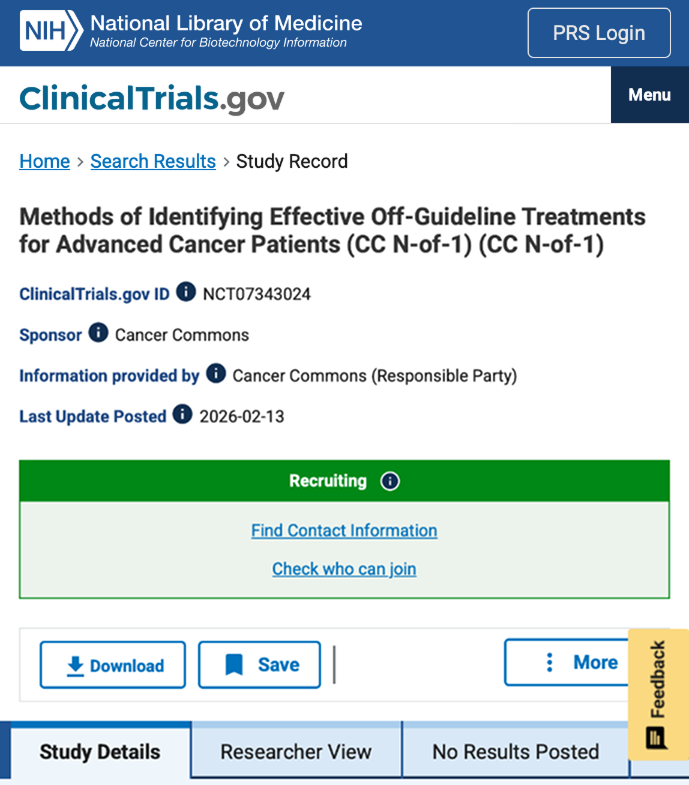
CCCS001 (NCT07343024) is a registered, site-less observational study sponsored by Cancer Commons. Patients participate with their own oncologist, with no travel to a trial site. The study measures, and will publish, the predictive accuracy of each treatment selection test, so that the evidence improves over time.

As the treating oncologist, you can administer treatment to the patient at your current hospital. For more information, please visit www.cancercommons.org/CCCS001
ABOUT NCPO

NCPO is guided by leaders in oncology, genomics, diagnostics, and AI.

The National Center for Personalized Oncology is founded by Cancer Commons, a 501(c)(3) public charity that has provided personalized guidance to more than 10,000 cancer patients and works with more than 100 oncologists. NCPO will spin out as an independent 501(c)(3) Public Benefit Corporation. Its work is grounded in a registered, site-less clinical study, CCCS001 (NCT07343024), in which patients participate with their own oncologist.
ADVISORY TEAM
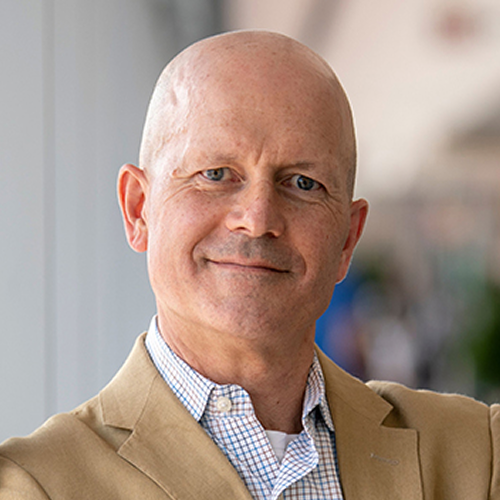
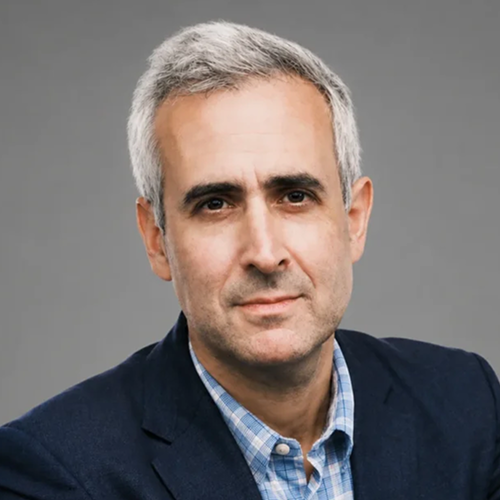
Keith Flaherty, MD
Oncology Advisory Board

President, American Association for Cancer Research, 2026 to 2027.

Director of Clinical Research, Massachusetts General Cancer Center.

Professor of Medicine, Harvard Medical School.
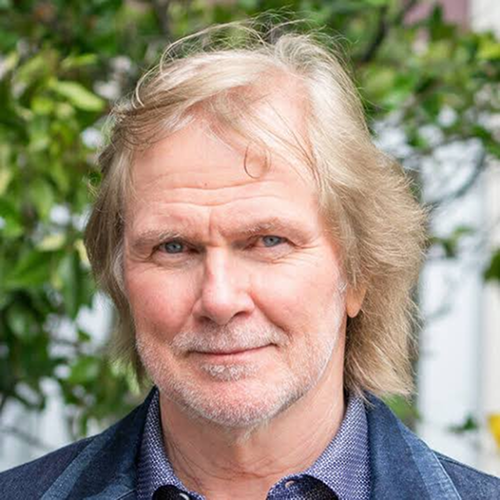
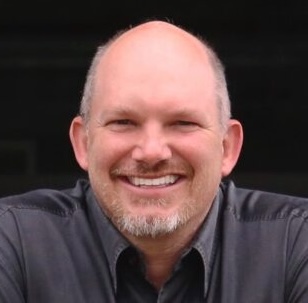
Frank McCormick, PhD
Genomics Advisory Board

Professor, UCSF Helen Diller Family Comprehensive Cancer Center.

Founding Director of the center, 1997 to 2014.

President, American Association for Cancer Research, 2012 to 2013.
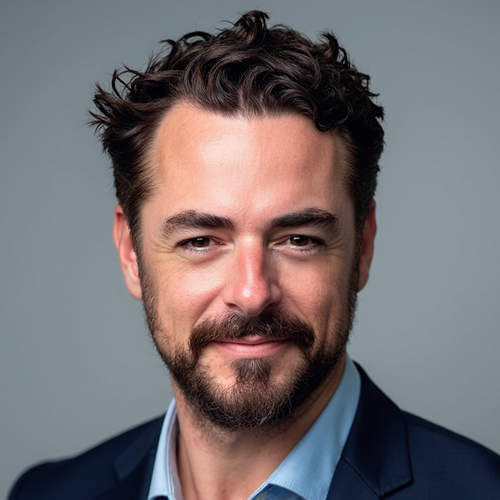
Jesse Boehm, PhD
Diagnostics Advisory Board

Senior Vice President and Chief Science Officer, Break Through Cancer.

Co-President, Society for Functional Precision Medicine.

Principal Investigator, Koch Institute, MIT. Formerly Institute Scientist and Scientific Director of the Cancer Dependency Map, Broad Institute.
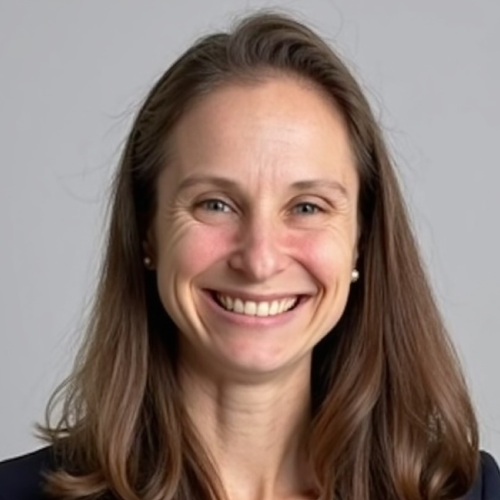
Bill Stasior, PhD
AI Advisory Board

Former Corporate Vice President of Technology, Microsoft.

Former Vice President of AI, Apple, where he led the development of Siri.

Former President and CEO of A9.com, Amazon's search subsidiary.
LEADERSHIP TEAM
Cliff Reid, PhD
Founding Chief Executive Officer

Founder, Chairman and CEO of Complete Genomics (NASDAQ: GNOM).

Founder, Travera (drug sensitivity testing).

Three public companies founded.

CEO of Cancer Commons.
Roberto Veronese
Founding Chief Strategy Officer

Product and go-to-market leadership at Helix, GRAIL and Artera AI, among 15+ other cancer diagnostics companies.

Co-founder and CEO, Openwell (healthcare AI).

Founder of the biotech advisory firm Accelera Bio.
Adrienne Nugent, PhD
Head of Guidance and Treatment Programs

VP, Operations at Cancer Commons for the past four years.

Former Assistant Director, Somatic Oncology Development, Invitae.

PhD in genetics and genomics, Duke University. Postdoctoral fellowships at NIH and Hampton University.
Prajit Pillai, PhD
Head of Diagnostics and Access Solutions Programs

Principal investigator and operational lead for CCCS001 at Cancer Commons.

PhD-trained biopharma scientist.

Eight years at Genentech.

Co-founder, Precision Medicine Diagnostic Partners.
Learn more
Arrow Right Icon
Contact us today
One call brings PhD-level test selection, pathology coordination, and payer access to your next case. Free to you and your practice, funded by philanthropy.