Extend access to cancer treatments that already exist.
NCPO is an AI-assisted, philanthropy-funded national resource, built to equip oncologists nationwide to use FDA-approved drugs that are out of reach for cancer patients today.
Coverage obtained
Prior auth approved for the off-guideline cancer drug. Negotiated by NCPO, prescribed by the patient's oncologist.
WHY NCPO EXISTS


Oncology needs innovation today.

Genomics is missing 60% of cancer patients
Genomic treatment is still delivered largely by academic medical centers and large urban hospitals, where roughly 40% of cancer patients are treated.

The other 60% are treated mostly at community hospitals, which have no reward for adopting a complex new technology and no penalty for ignoring it.

Genomics has a scientific ceiling as well as a geographic one. For many patients, genomic testing finds no alteration that matches an approved drug, and a match is not a guarantee of response. Those patients are left out of genomics.
Sources: Genomics response rate from (NCI-MATCH).J Clin Oncol. 2020. 74 NCI-designated cancer centers, National Cancer Institute. One-in-five share derived from 411,862 patients newly registered at NCI-designated clinical and comprehensive cancer centers in the most recent reporting period, against 2,114,850 projected new US cases in 2026 - Cancer Facts & Figures 2026, American Cancer Society.
90% of FDA-approved cancer drugs are never tried on most cancers.
Treatment guidelines list roughly 10% of the 300+ FDA-approved cancer drugs for any given cancer. The other 90% are approved by the FDA, but for other cancers.
10%
On Guideline
90%
Off Guideline
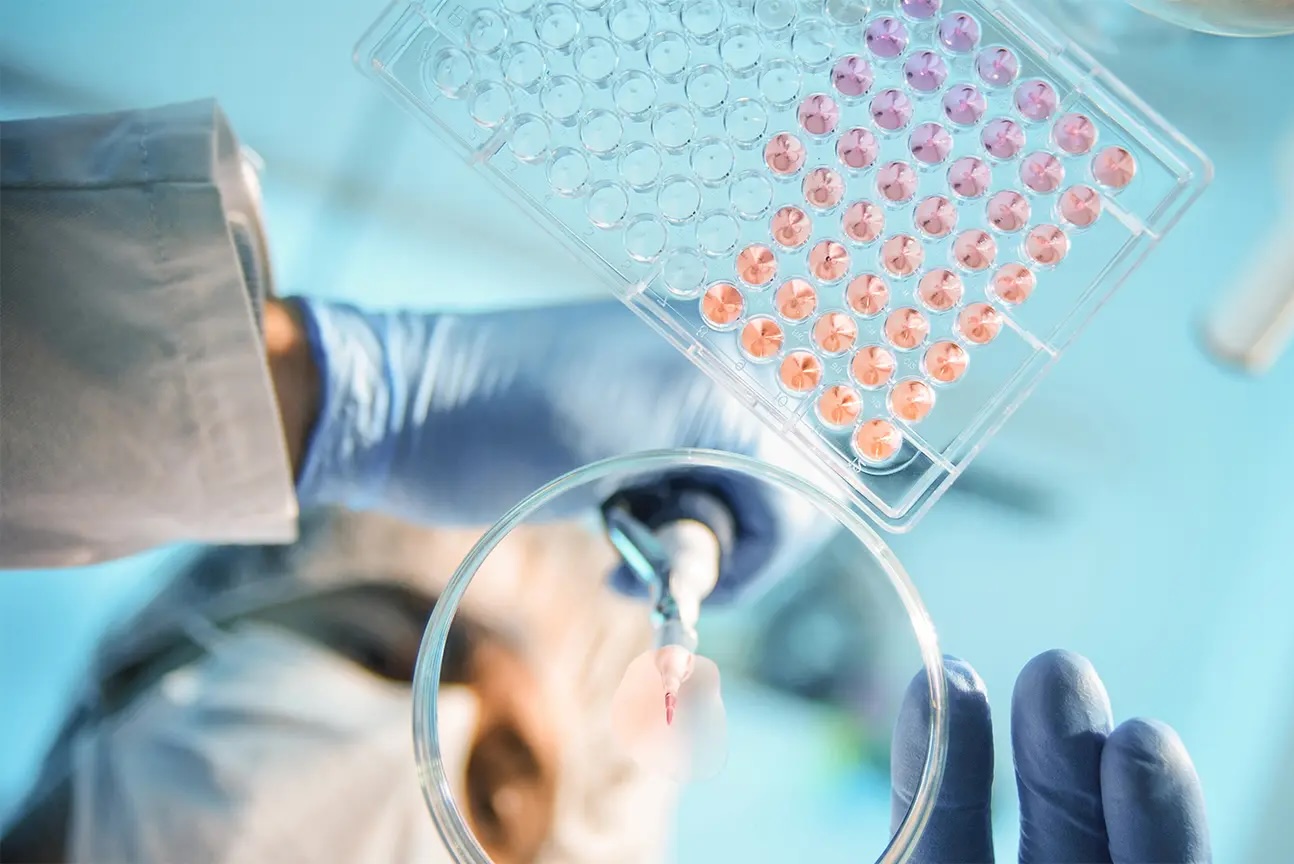
Functional Precision Medicine addresses this critical access issue by allowing oncologists to test FDA-approved cancer drug on a patient's living cancer cells.
Sources: drug count - FDA; treatment guidelines - NCCN.
As a result, every year over 600,000 US cancer patients run out of treatment options while these options already exist, FDA-approved, but untested on them.
THE INNOVATION
Cancer drugs can now be tested against the patient's own living cancer cells.
It works at any point in treatment, from the last line to the first. Every time a cancer changes, a new test can identify the next cancer drugs.
Dr. Letai's article discusses the field of functional precision medicine. It does not reference NCPO, and quotation does not imply endorsement by Dr. Letai, the National Cancer Institute, or the National Institutes of Health.
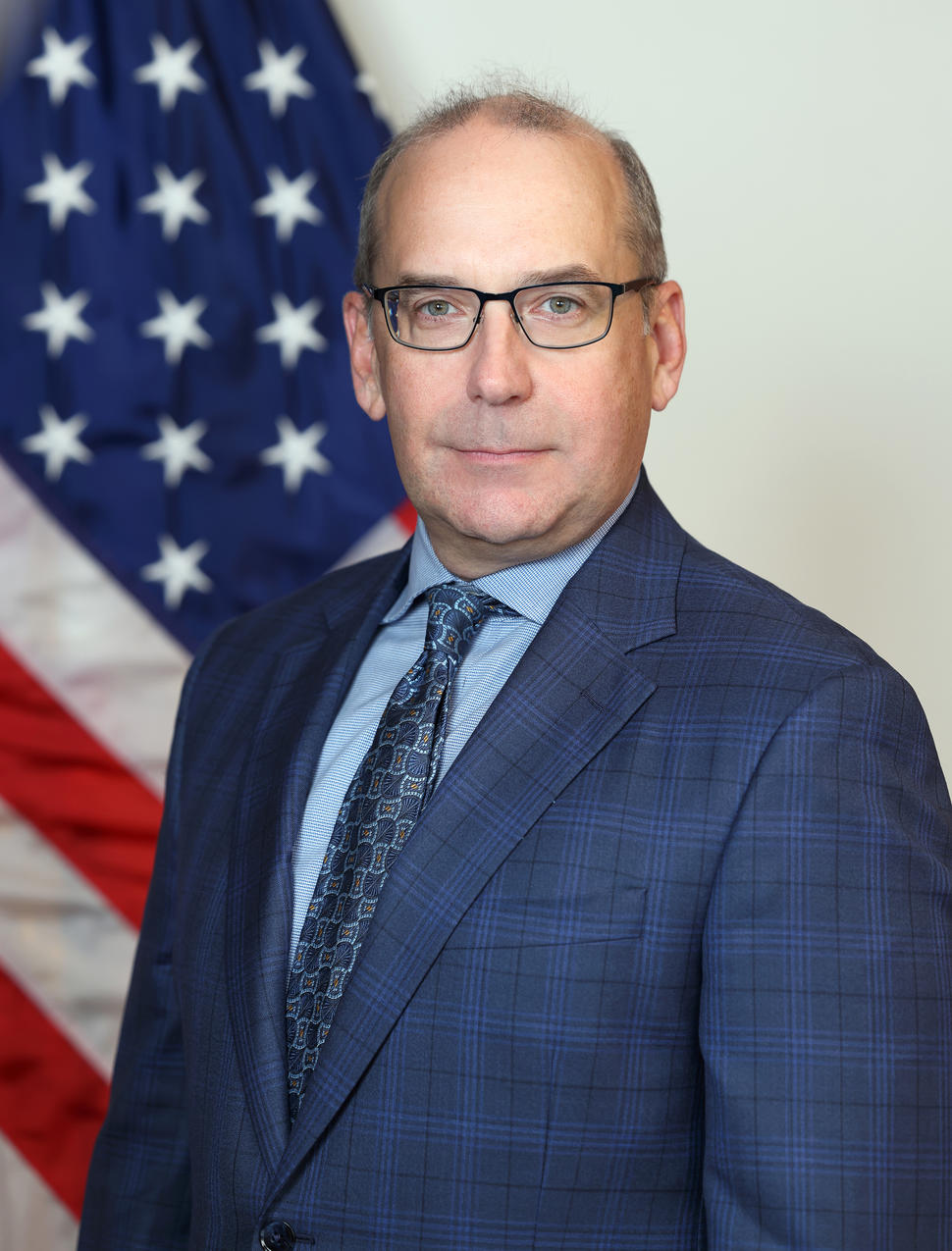
The ecosystem of companies and institutions developing Functional Precision Medicine is growing with the support of the National Cancer Institute, led by Anthony Letai, MD, PhD, a pioneer of this field.
“Our ultimate goal, five years from now, I hope, is to see functional testing routinely used by oncologists.”1
To achieve this goal, Functional Precision Medicine has to be accessible or it won't benefit oncologists and their patients. Most cancer care happens at community hospitals, where new technologies are often the last to arrive. The National Center for Personalized Oncology (NCPO) bridges this gap, making functional testing and payer negotiation accessible to every medical oncologist in America.
1- Source: Dr. Letai's article discusses the field of functional precision medicine. It does not reference NCPO, and quotation does not imply endorsement by Dr. Letai, the National Cancer Institute, or the National Institutes of Health.

WHY IT NEEDS PHILANTHROPY
There is no commercial funding for this work, which is why philanthropy is key.
Advanced cancer patients who have exhausted standard treatments are the first to benefit from Functional Precision Medicine. However, they do not generate commercial returns within the cancer system. Philanthropy funds the resources where the need is greatest, allowing these resources to eventually serve all cancer patients as FPM is integrated into earlier treatment stages.

NCPO overcomes three commons barriers for oncologists.

Scientific evidence
FPM assays change constantly, and interpreting a result takes expertise no community practice keeps on staff. Without a clinical trial behind it, an off-guideline drug needs a clear scientific basis.

NCPO provides oncologists with the necessary scientific evidence to prescribe treatments, at no cost to the their practices.
Hospital workflows
Standard pathology fixes the specimen in formalin within minutes of the biopsy, which kills the cells. Routing viable tissue to the right laboratory means deciding before the biopsy, coordinating with pathology, and shipping on a clock.

NCPO guides pathology departments to ensure viable specimen is collected for functional testing.
Financial access
Without a scientific basis there is nothing to negotiate with the payer, and no time to find a manufacturer compassionate-use program when payment is denied.

At no cost to the hospital, NCPO handles payer negotiations and explore compassionate-use and manufacturer-funded programs.
JOIN OUR MISSION AND VISION

Personalize treatment for every cancer patient.

Support NCPO
With your help, NCPO empowers oncologists to optimize treatments for each patient, everywhere in the US.
Better cancer care, today.
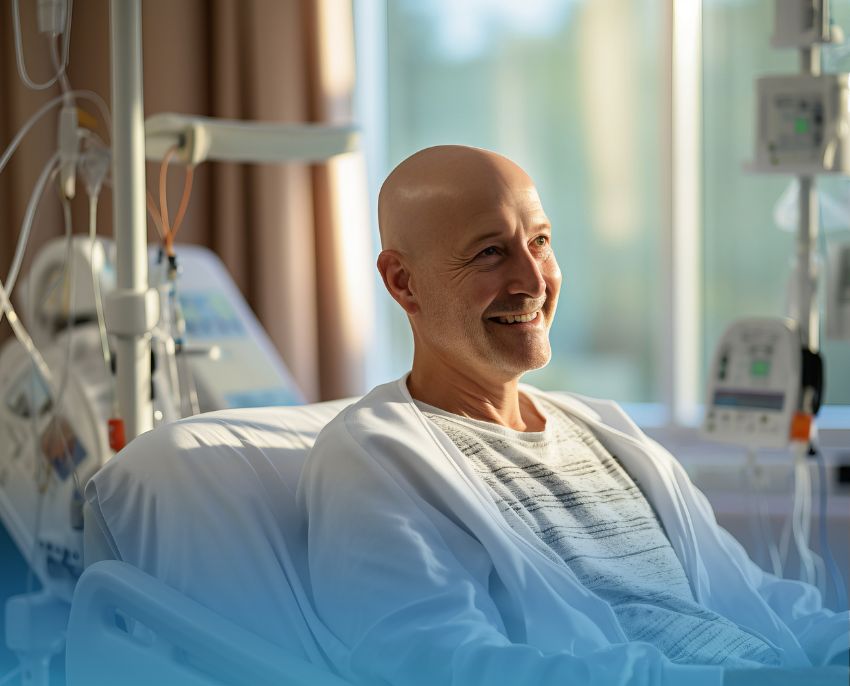
A woman with stage IV colorectal cancer, treated far from a major cancer center, exhausts standard chemotherapy options. With no actionable genomic findings, her oncologist contacts NCPO.

The selected functional test identifies effective FDA-approved drugs for her specific cancer cells. NCPO assists with insurance and manufacturer programs, allowing her to receive personalized treatment locally. Her results contribute to ongoing research, enhancing future patient care.

This is possible today with NCPO.

None of this requires a new drug, a new hospital, or a clinical trial slot. It requires expertise, logistics, and paperwork, which is what NCPO does and philanthropy funds.
WHAT DONORS FUND

A capital-efficient, AI-assisted model.

Rather than building physical infrastructure, NCPO operates as a lean, virtual, national resource. Automation, not headcount, carries the growth. Every patient is enrolled in a registered N-of-1 observational study, CCCS001 (NCT07343024). Outcomes are collected, analyzed and published, so that the evidence base improves as the work scales.

NCPO enables access to existing FDA-approved drugs. This is not decades-out research, but a concrete, pragmatic approach to radically improve cancer care today.
WAYS TO SUPPORT NCPO
Five philanthropic opportunities
1
Founding Benefactor
Support NCPO as its anchor philanthropist to shape its direction.
2
Institutes
Fund a named program, from advanced diagnostics to access solutions.
3
Initiatives
Support a specific cancer type, geography, or area of innovation.
4
Special Projects
Fund a custom effort, such as a renewable co-payfund.
5
Members
Provide unrestricted operating support at anylevel.
All gifts are tax-deductible to the extent permitted by law, and eligible to receive grants from donor-advised funds, private foundations, family offices, and corporate funders. No donor benefit. No private inurement. No quid pro quo arrangements.
Show your support today
Help NCPO expand access to existing, effective treatments. Your donation funds a cost-effective, AI-driven resource for oncologists to personalize treatments for their patients at all stages, starting with advanced cases.
Thanks to donations, NCPO's work is free to oncologists, patients, and hospitals.